Who is saving who?
This week’s weird idea
Here’s the numbers I think of whenever I hear the phrase “we have to save the Earth:”
One billion
That’s how many years that the Earth can sustain life before the sun gets too big and old and cranky and kills everything off.
10 to 50 million
That’s how long it takes for the current surface of the Earth to be shoved underground by plate tectonics like the world’s biggest, slowest conveyor belt, and get replaced with brand surface brought up from the mantle. Any pollutants get recycled down in the deep magma.
So the Earth will make itself a new crust anywhere from 20 to 100 times before that sun makes it all pointless.
2
That’s how many miles down that scientists have found multicellular life in the rock itself. Heat? Pressure? Low oxygen? No problem for these organisms. And two miles of rock is a pretty good barrier against whatever nonsense goes on in the surface.
600 million to 1.5 billion
That’s how long it took life to evolve from multicellular life to humans. All the way from just clumps of cells in the ocean to little furry critters. Yes, it’s a big spread on the numbers, but clumps of cells are really bad at leaving behind fossils, so it hard to pin them down.
By contrast, it took two to three times longer to get just from single-celled life to the multicellular. Once life starting using more than one cell, things really took off. So that multicellular life underground will give evolution a real head-start.
Which means
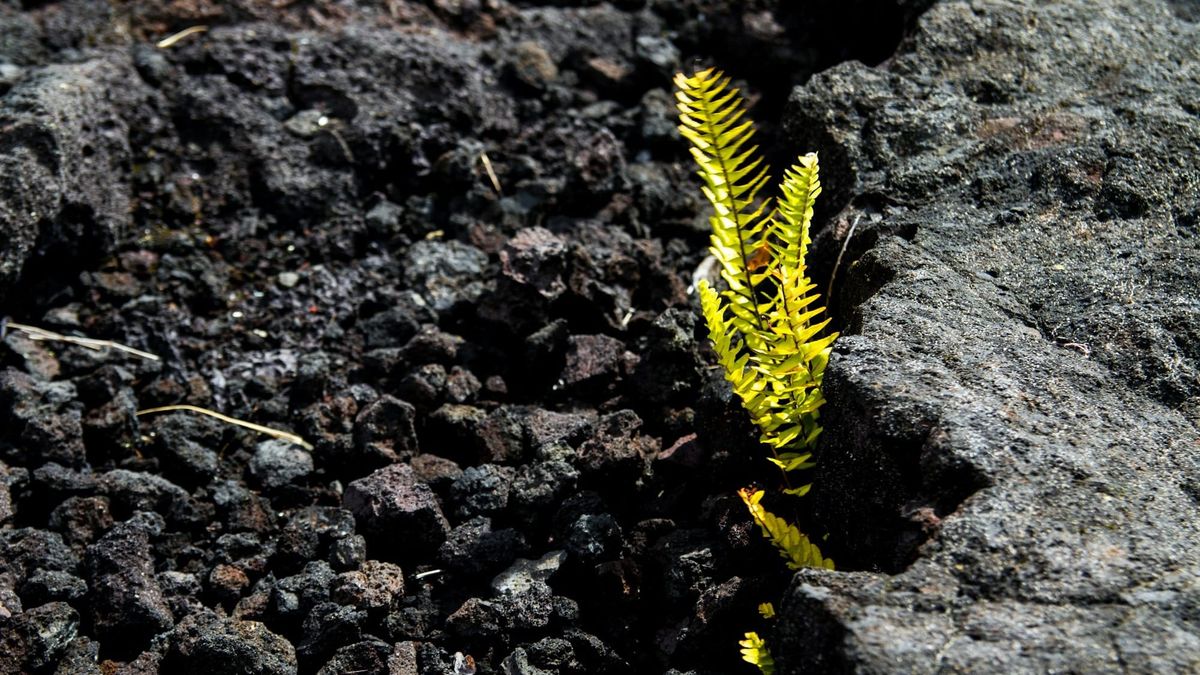
Even if the unthinkable happened and we completely poisoned, irradiated, and/or covered the planet in concrete, even if we kill all life on the surface and the oceans, plate tectonics will shove all that human mess underground within about 50 million years.
That same plate tectonic action will bring that 2-mile deep life-bearing rock to the surface, where the underground organisms will find a land full of oxygen and sunlight. And life on Earth loves that stuff.
And with 1 billion years left for those underground critters to get busy evolving, there’s plenty of time to repeat the 600 million to 1.5 billion evolutionary experiment of intelligent life. It’s just won’t look like us. At all.
So do we need to save the Earth? Not really. The Earth has its own contingency plans. The Earth is ready to play the long game. The Earth can get along fine without us. We, on the other hand, are completely dependent on it.
Who we really need to save is ourselves—by saving the Earth’s ability to keep us alive.
Have a listen
Have I linked to “Tank" before? Doesn’t matter, more “Tank" is always good. There’s an extended version that packs in even more coolness if you like this:
Take a look
Yes, this is a long video. Please watch at least the very beginning, where you can hear the most adorable little sonic boom ever. Go get ‘em, trebuchet guy!
 Jason Kottke
And keep breathing
One of the things that got me thinking about consciously breathing was this book by James Nestor:
 James Nestor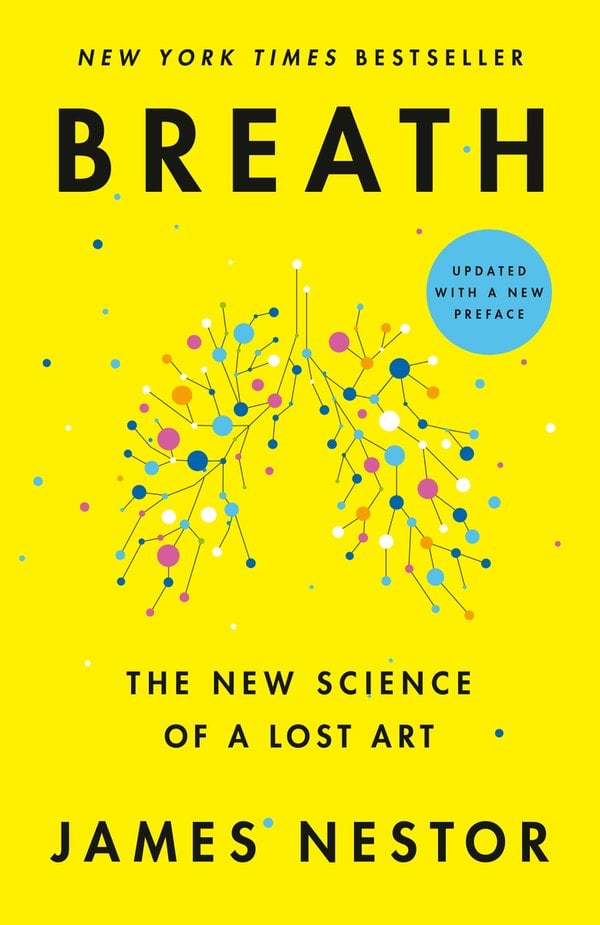
And holy carp is it a deep dive. A thoroughly entertaining writer, Nestor really experiences things first-hand, including participating in a study where he plugged his nose shut and breathed only through his mouth for ten days (spoiler: don’t do this, it’s tremendously unhealthy).
So keep breathing. With your nose and everything.
Until we talk again, I remain,
Your pal,
Jamie